

Everything You Need to Know Before Choosing a Pergola
Pergolas have become one of the most popular garden structures for homeowners looking to enhance their outdoor living space, often creating a cozy dining nook or a modern outdoor lounge to spend time with family and friends.
This guide answers the most common questions to help you decide whether a pergola is the right fit for your home.
What is a Pergola?
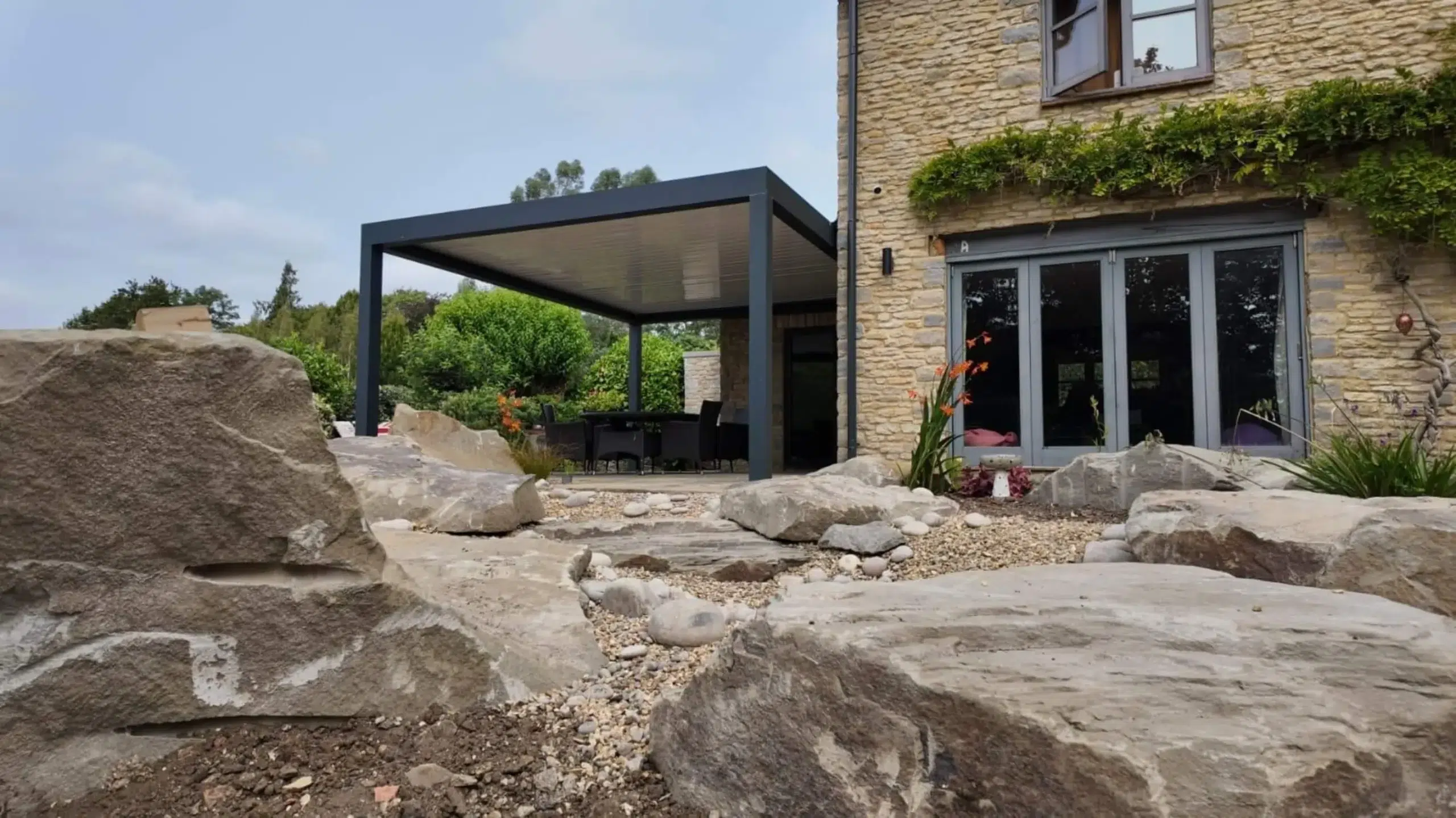
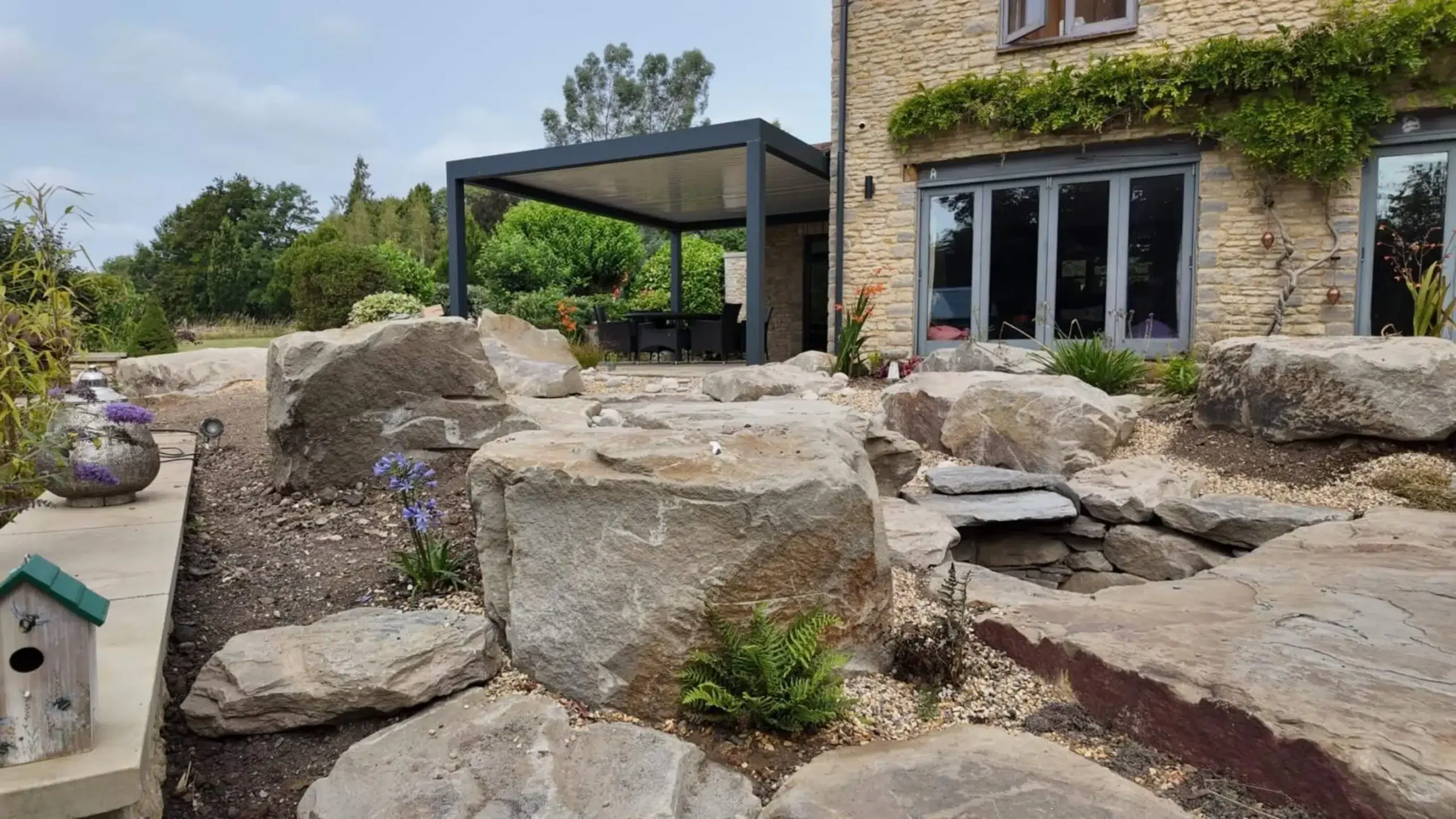
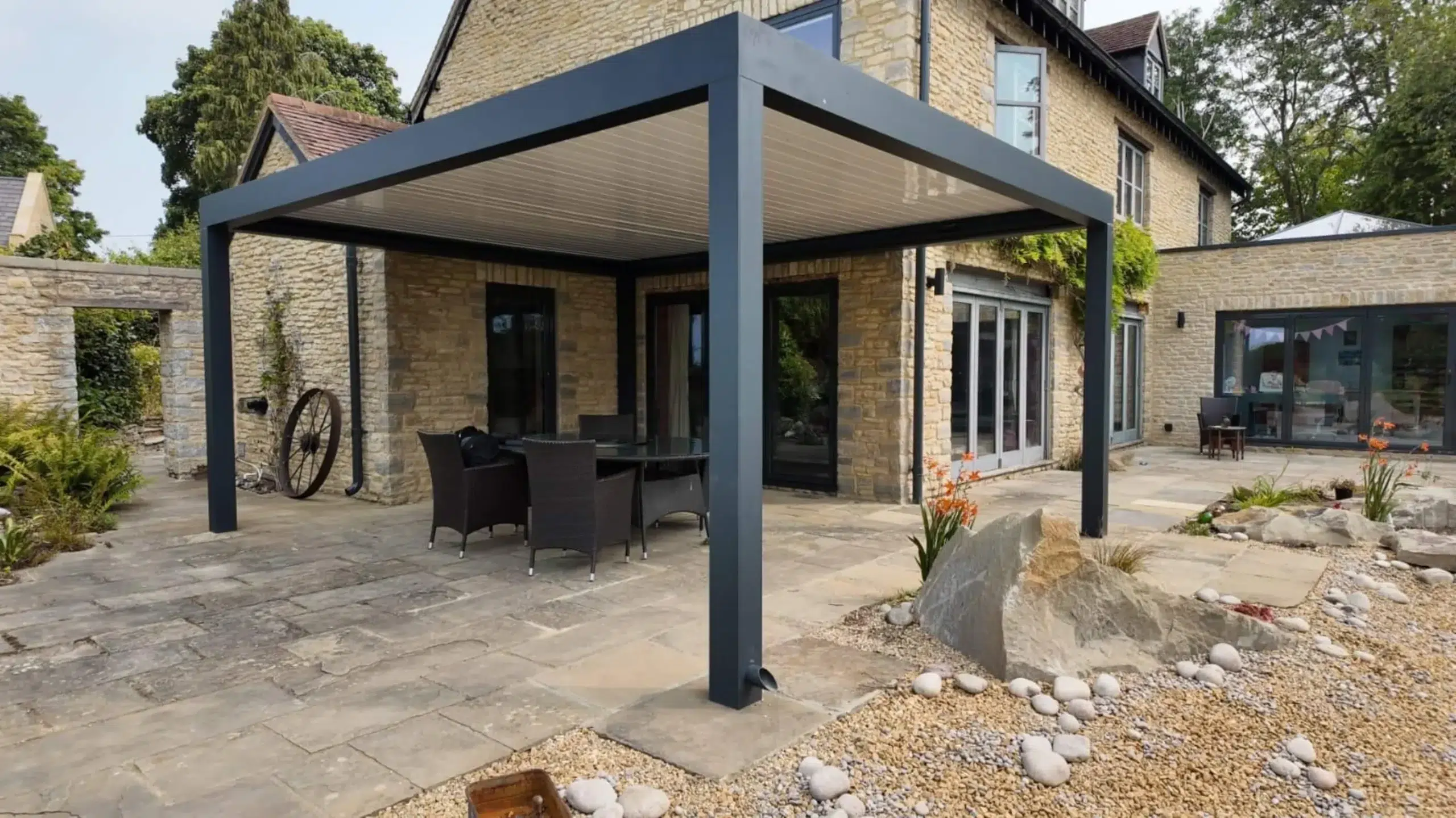
A pergola is an outdoor structure made up of vertical posts that support an open or partially open roof. Traditionally, the roof consists of beams or slats arranged in a grid-like pattern, although modern designs include adjustable or fully closable roof systems.
Unlike a shed or a garage, a pergola is defined by its open-air feel. It’s designed to define an outdoor space without completely walling it off from the beauty of your garden.
Purpose
Pergolas are used to create comfortable and visually appealing outdoor areas, this includes:
- Providing shade over patios, decks, or seating areas
- Creating an outdoor dining or entertaining space
- Enhancing garden design and structure while supporting climbing plants such as vines or wisteria
- Extending indoor living space into the garden
Materials
- Wood: Usually Cedar, Redwood, or Pressure-Treated Timber. It offers a classic, rustic look but requires regular staining.
- Aluminium: Lightweight, rust-proof, and virtually maintenance-free. This is the standard for modern bioclimatic designs.
- Vinyl/uPVC: Durable and easy to clean, though less natural in appearance.
Bioclimatic Pergola
Traditional pergolas have fixed slats, but bioclimatic (or louvered) pergolas are the modern evolution of garden design:
- Louvered Roof: The roof slats can be tilted via remote control or a manual crank.
- Weather Control: You can open them to let sunlight in or close them completely to create a watertight seal.
Pergola vs Gazebo
While both structures are designed to provide outdoor shelter, there are key differences, mainly with the roof:
- Pergola: Typically has an open or slatted roof and open sides. It offers partial shade and a more open feel.
- Gazebo: Has a solid, permanent, pitched roof usually in a hexagonal or octagonal shape.
Installation and Placement
Pergolas can be built as a standalone structure or fixed directly to a house as wall-mounted or lean-to garden building, creating a seamless transition between indoor and outdoor spaces.
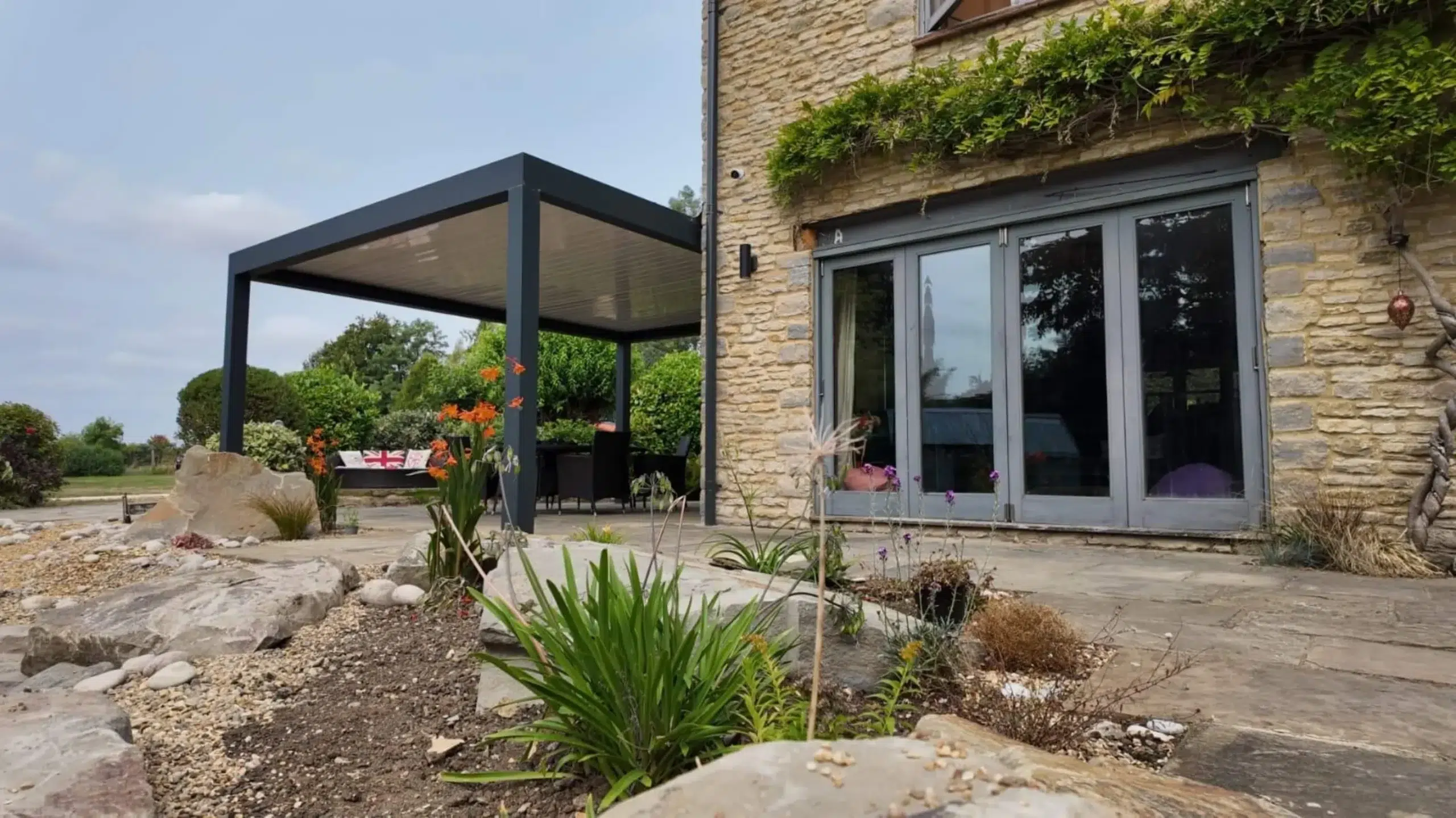
It can also be bolted directly into a concrete patio or a reinforced wooden deck. The key requirement is that the deck structure must be strong enough to support the pergola posts, which are usually fixed to reinforced joists or structural beams.
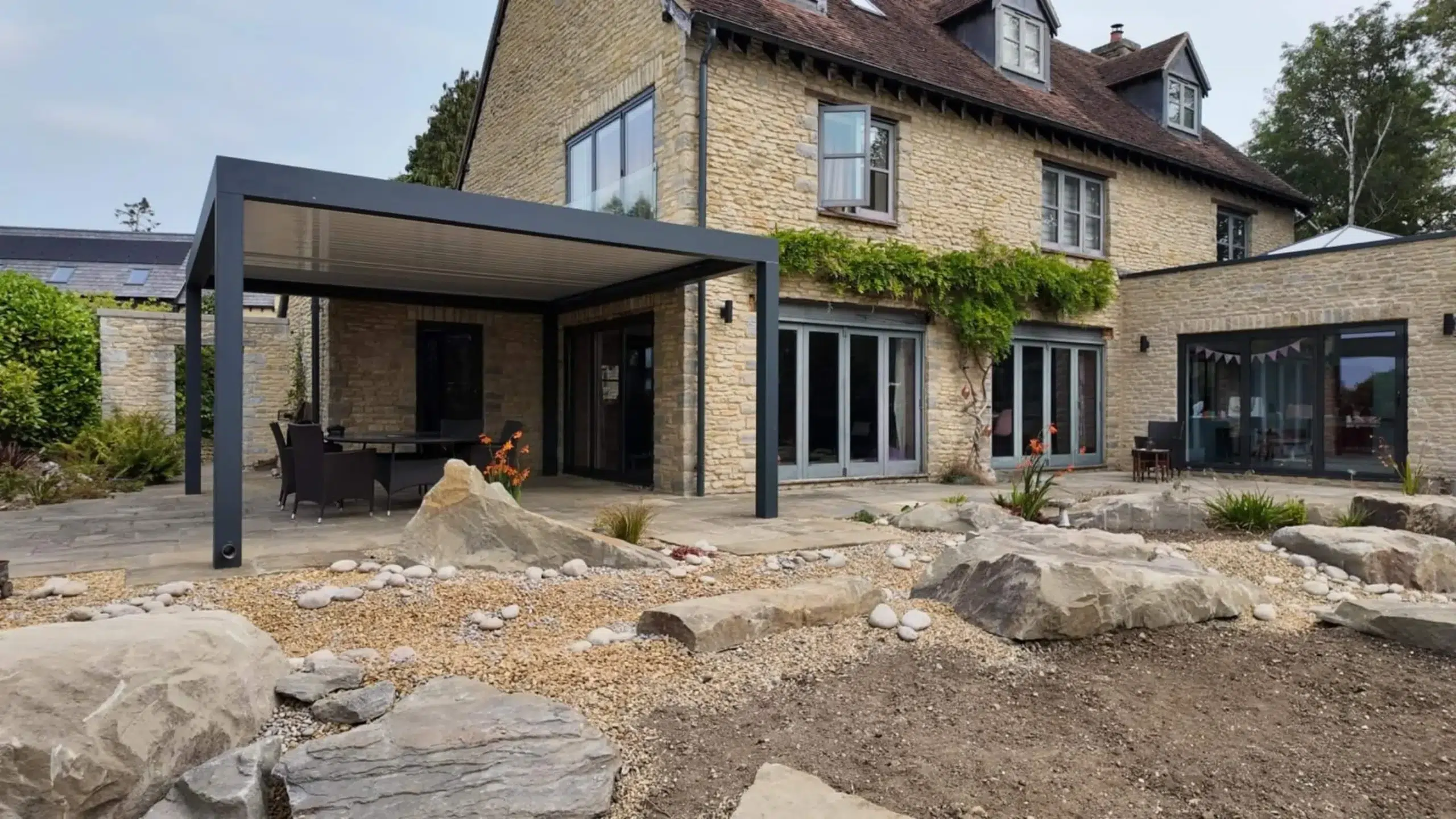
If a patio or deck is not an option, pergolas can be installed on grass, but the posts must be set into concrete footings below ground level to ensure stability and long-term durability.
Average Height and Size
- Height: Most pergolas stand between 2.3m and 2.5m (approx. 8 feet). You want it high enough to feel spacious but low enough to retain heat if you use a heater.
- Size: Common sizes include 3m x 3m or 3m x 4m. However, because we provide professional installs, these can be customised to fit your specific patio dimensions.
Weather and Durability
Standard wooden pergolas are not waterproof. However, bioclimatic aluminium pergolas are designed to be 100% watertight when the louvers are fully closed.

Waterproof pergolas, especially bioclimatic models, often include integrated guttering systems that channel rainwater away through the posts. This helps prevent water runoff and pooling.
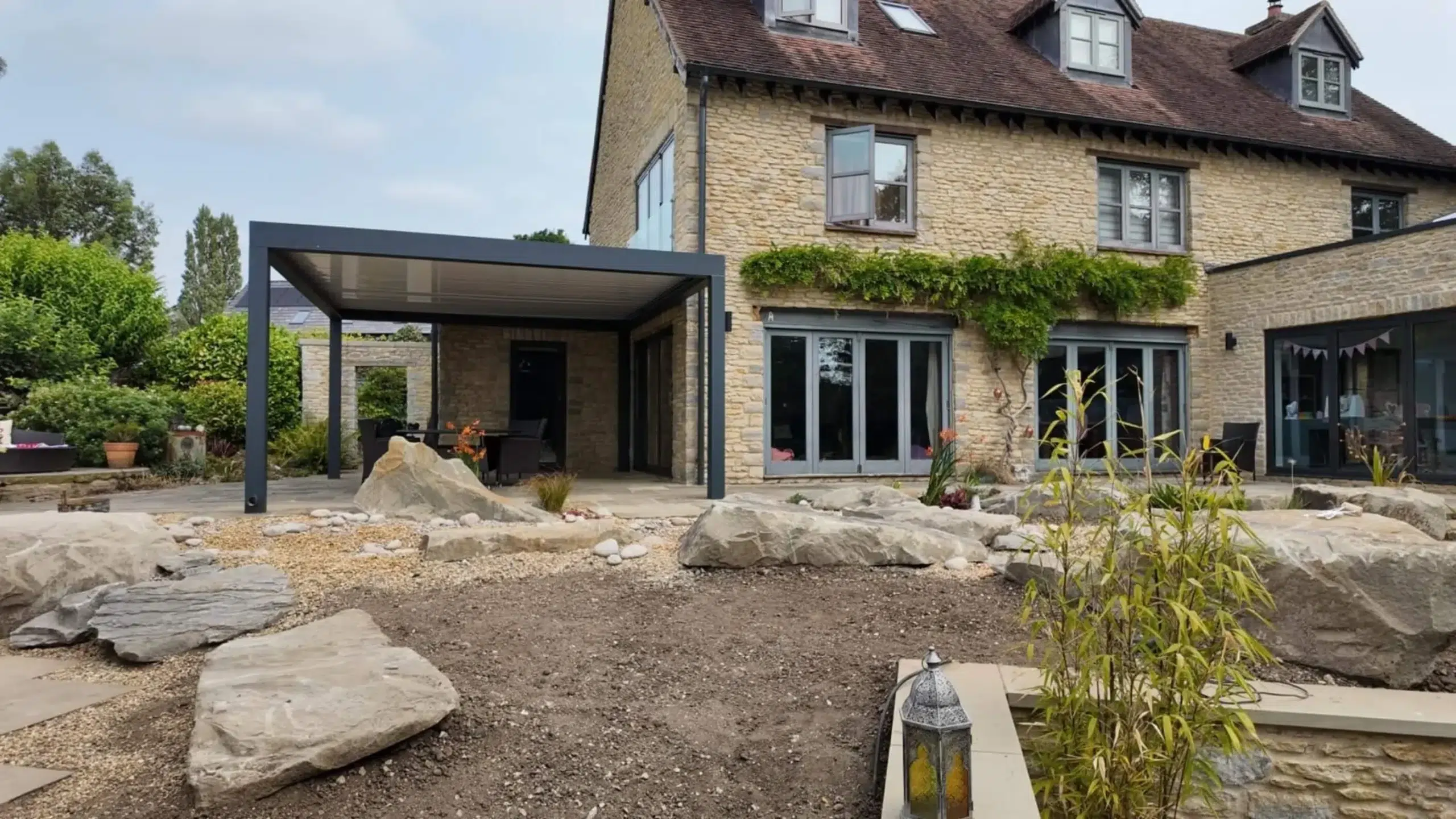
In addition, provided they are anchored correctly, aluminium pergolas are often wind-rated for speeds up to 70mph+. Louvered pergolas often include wind sensors that automatically open the roof in high winds to reduce pressure.
Features and Upgrades
Pergolas can support solar panels, particularly aluminium or steel structures. Solar pergolas are increasingly popular for generating renewable energy while providing shade. Structural assessment is recommended to ensure load capacity.
During colder months, heating is a great addition to a pergola. This can be in the form of electric wall-mounted heaters or gas/bioethanol fire pits. It is however important to maintain adequate clearance between flames and the roof, and to ensure proper ventilation.
Conclusion
A pergola is far more than a simple garden feature, it is a flexible, long-term investment in how you use your outdoor space. Depending on the budget and requirements, you can have a simple yet effective sheltered area for year‑round entertaining, or a modern bioclimatic system that adapts to changing weather, there is a pergola solution to suit almost every home and lifestyle.
Ask a Question