


AGV’s Cardiff Garden Building Showroom
Introduction
We’re thrilled to introduce our brand-new garden building showroom, where the possibilities for your dream veranda or garden room are brought to life right before your eyes.
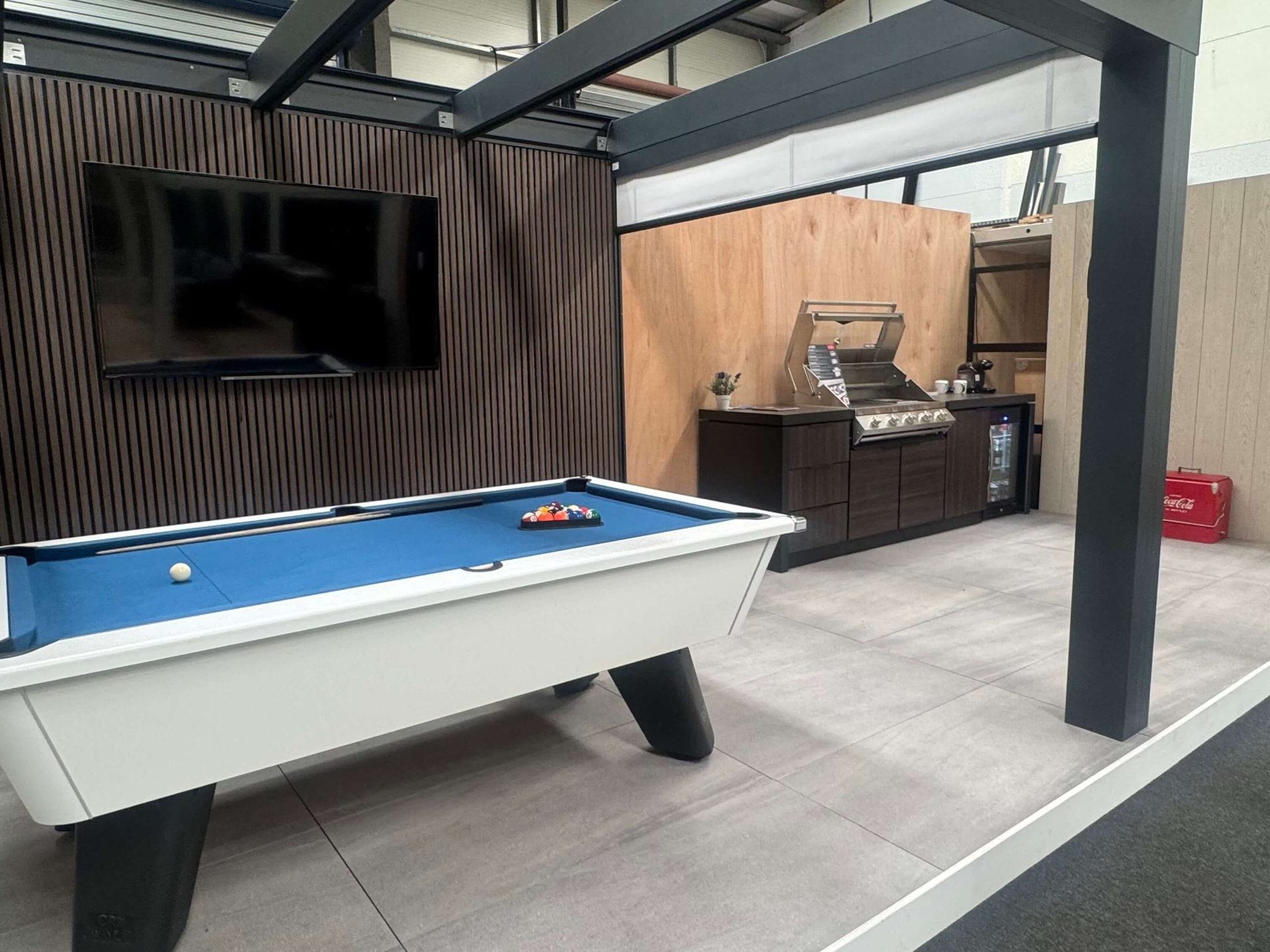
This cutting-edge facility is designed to inspire, inform, and transform your outdoor living aspirations into a tangible reality.
Our Showroom
Located in Rumney, Cardiff, our showroom spans over 4000 square feet, showcasing the very best in veranda, garden room, and outdoor kitchen designs. Each section of the showroom is meticulously designed to demonstrate a wide array of features, materials and technologies, allowing you to immerse yourself fully in the process of creating your ideal outdoor space.
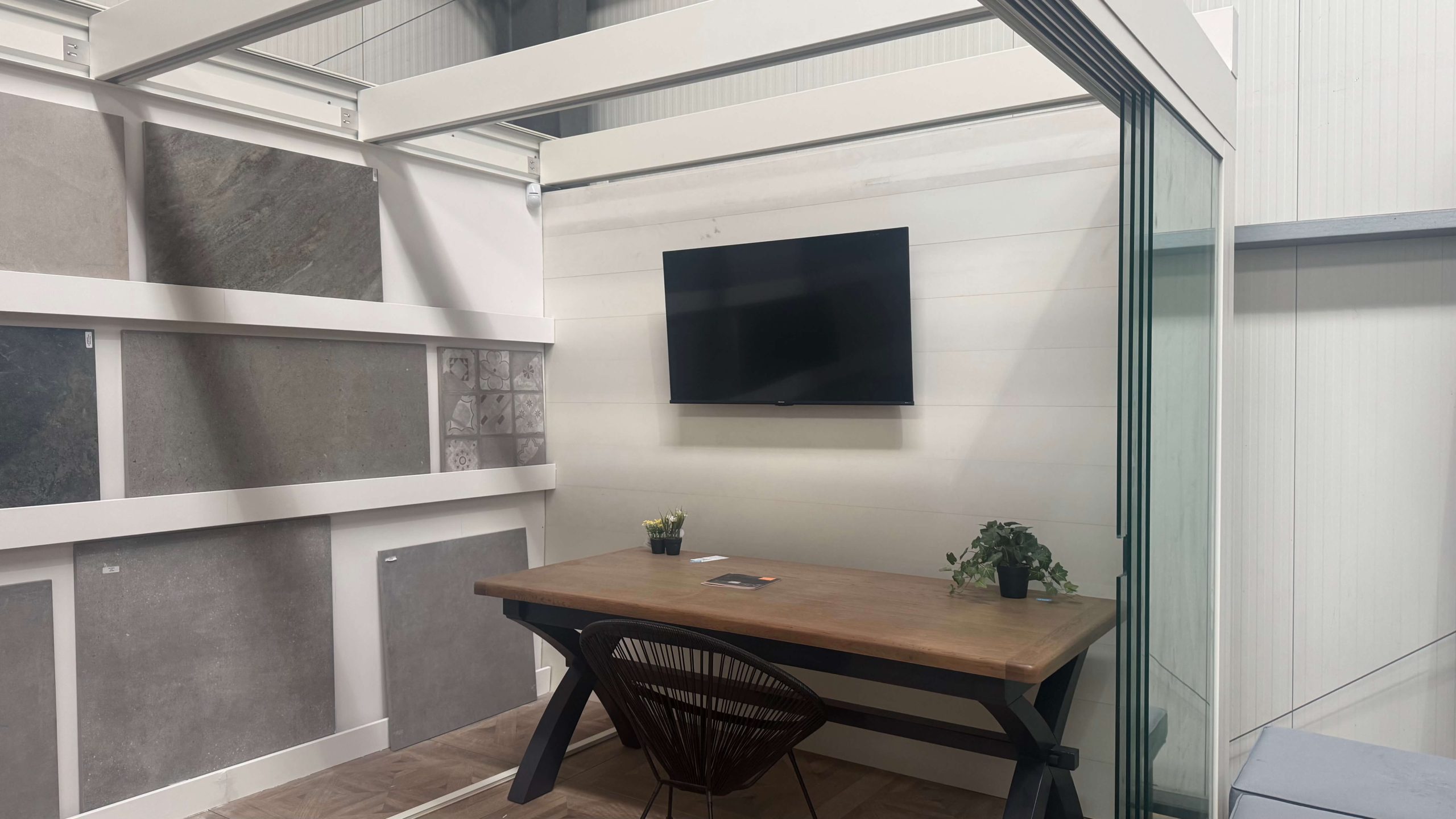


From the moment you step inside, you’ll be greeted with a stunning array of fully constructed verandas, garden rooms and outdoor kitchens. These aren’t just static displays, they are interactive environments where you can explore different configurations, materials and finishes.
Visit Us
At the core of our showroom is our commitment to providing a customer-centric, immersive experience. We’ve meticulously designed every aspect of the showroom to help you explore and visualise how different garden building designs will transform your own outdoor space.
Here’s what you can expect:
- Our Full Range: Experience a wide variety of fully built verandas, garden rooms and outdoor kitchens, each set up in different contexts such as lounge areas, study rooms/offices, bars, dining rooms, and more. See and feel the materials up close, and discover how they look and function in various setups.
- Operational Features in Action: Witness the advanced features of our verandas and garden rooms in operation. From the way lighting enhances the ambiance to the comfort provided by integrated heating systems, and the seamless functionality of automated side and roof awnings.
- Expert Consultations: Our in-house design experts are on hand to offer personalised advice, helping you navigate through the myriad of choices and find the perfect fit for your home.
Contact Us
Visiting our showroom isn’t just about seeing what’s available, it’s about experiencing what’s possible. Contact us to book an appointment today!

The Main Differences Between a Conservatory and a Glass Veranda
Introduction
Although verandas and conservatories serve similar purposes, they have distinct characteristics, features, and benefits. Understanding their costs, uses, and value additions can help you make an informed decision. Let’s explore the differences between a veranda and a conservatory.
What is a Veranda?
A veranda is a covered, open-air structure attached to the exterior of a house, typically extending along the front or sides. It provides a sheltered outdoor living space, offering protection from the various weather conditions while allowing fresh air circulation.
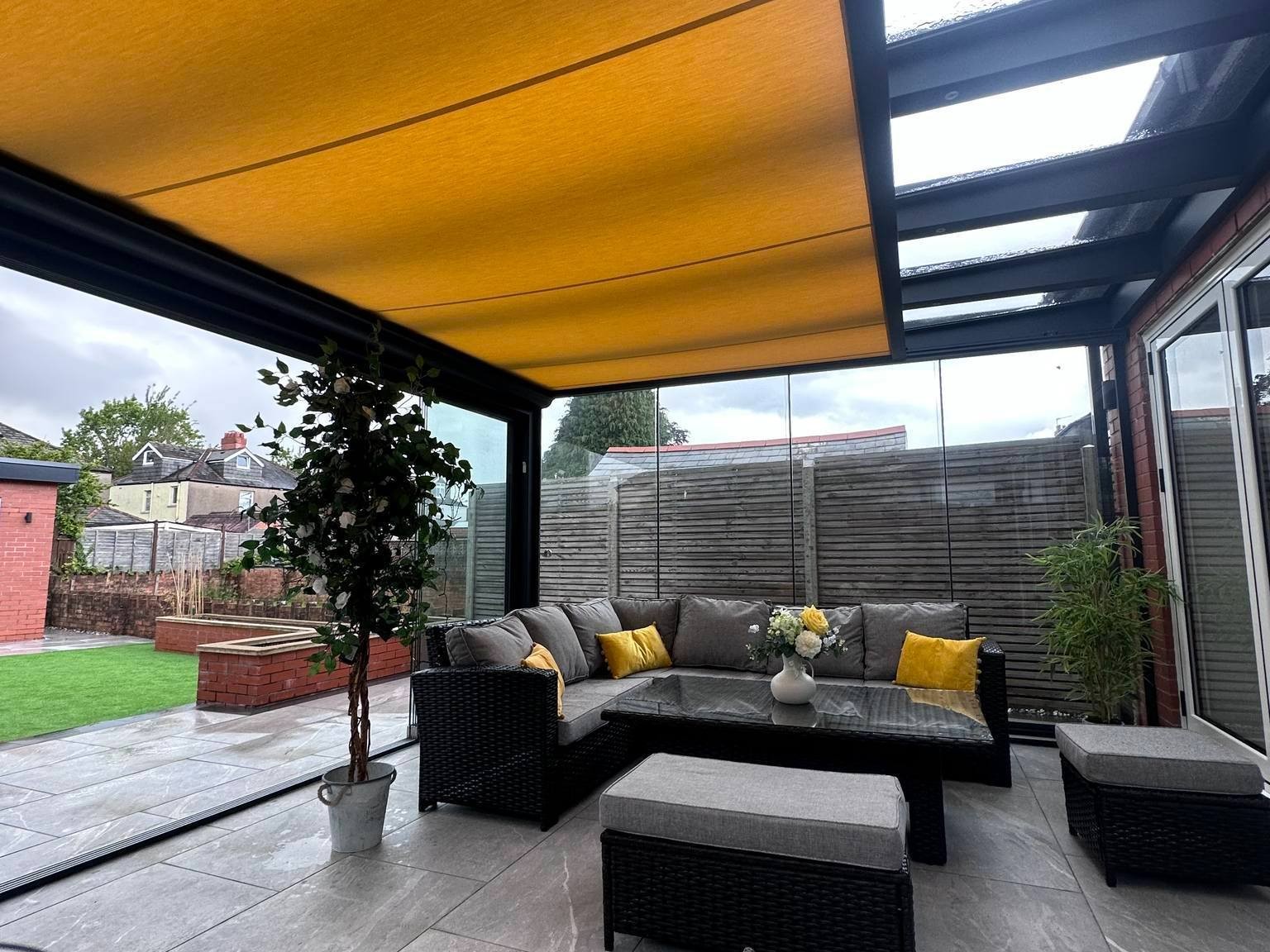
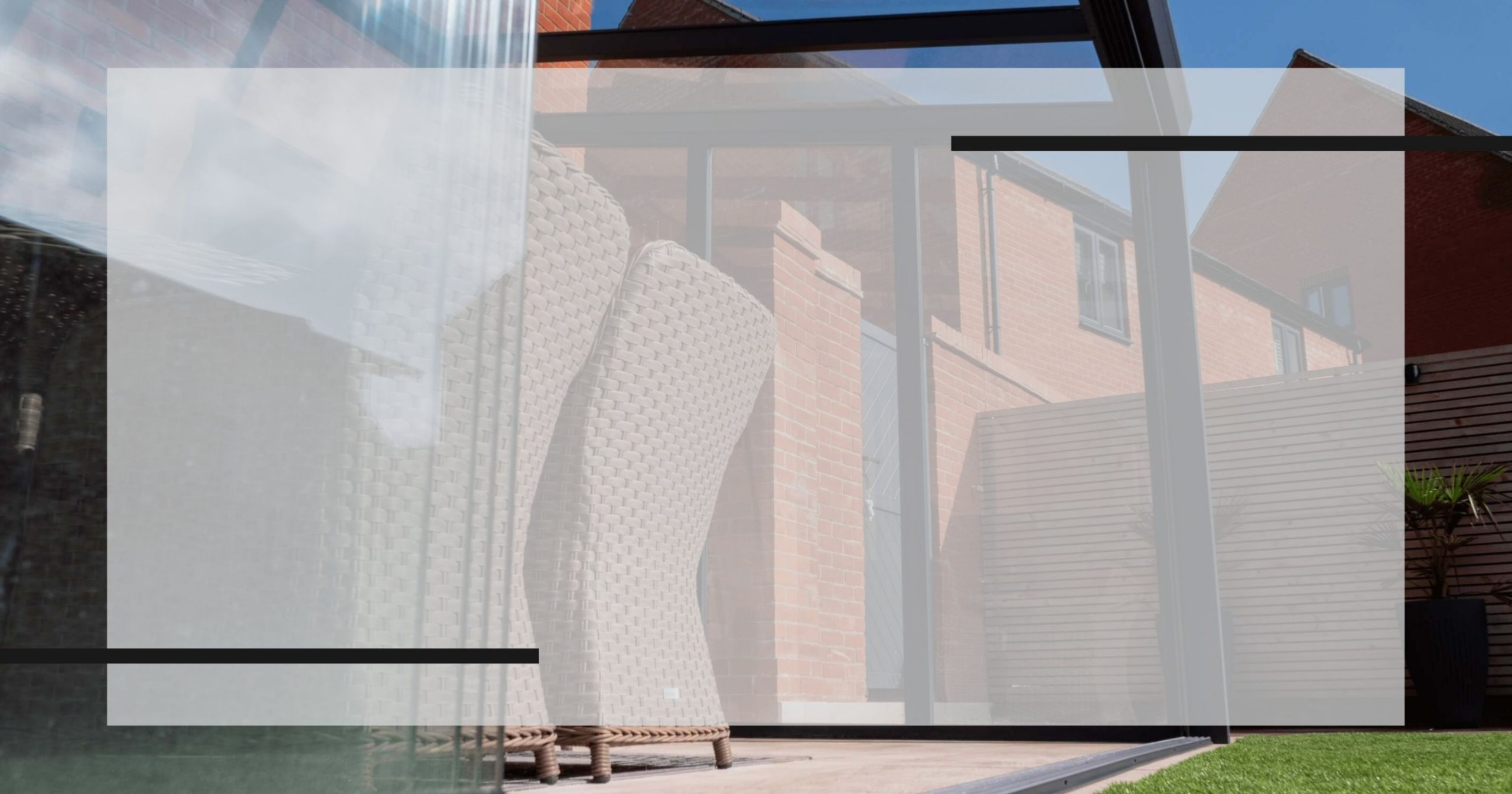
Verandas can also be constructed with additional features to suit different weather conditions, such as screening, retractable awning, glass panels, sliding doors, and various roof types like glass, polycarbonate, or aluminium louvers.
The cost of a veranda in the UK varies based on size, materials, and custom features. On average, our basic veranda starts from £6,500 to £10,000, while high-end designs with glass enclosures, heating, or retractable roofs can exceed £15,000. Factors like installation complexity and additional features can also influence the final price.
What is a Veranda used for?
A veranda is a versatile addition to a home that serves multiple purposes, including creating a shaded lounge area for relaxation, providing an al fresco dining space, extending a garden retreat, or acting as a sheltered walkway to protect entrances from harsh weather.
- Outdoor Relaxation: Enjoy a shaded space for lounging, reading, or entertaining guests.
- Dining Area: Create an al fresco dining experience regardless of weather conditions.
- Garden Extension: Seamlessly connect your indoor space with the outdoors.
- Sheltered Walkway: Protect entrances from rain and direct sunlight.
Does a Veranda add value to your home?
Yes, adding a veranda can enhance your home’s value by improving its appearance while providing additional functional outdoor space. A well-designed veranda creates an inviting transition between indoor and outdoor living, making your property more attractive to potential buyers.
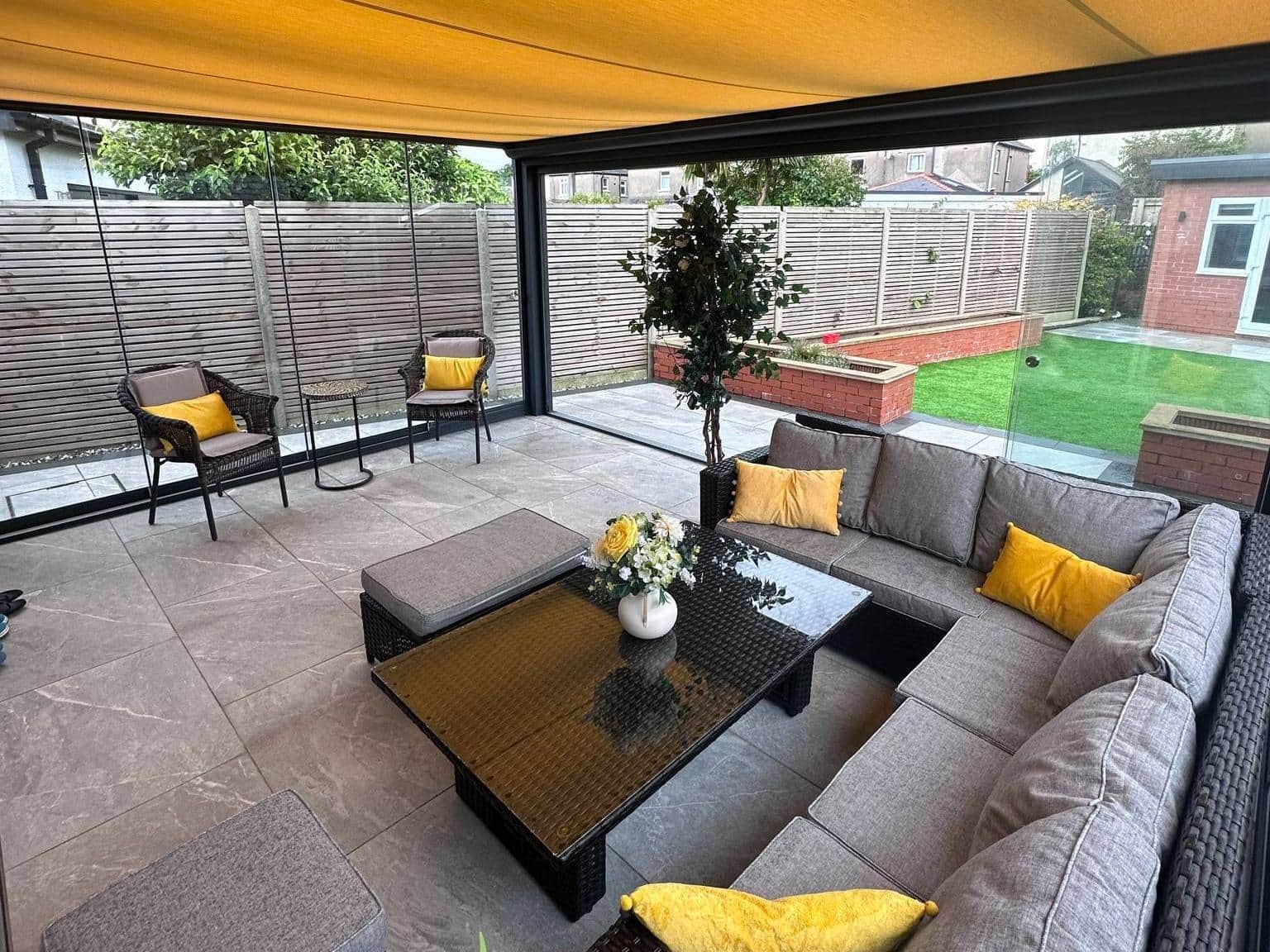
While the exact value increase depends on the design and location, a veranda can potentially add around 5% to 10% to a home’s market value, making it a cost-effective way to boost both comfort and curb appeal.
What is a Conservatory?
A conservatory is a glass-structured extension attached to a home, designed to bring in natural light while providing an insulated space that can be used year-round. Unlike a veranda, a conservatory is typically fully enclosed and often serves as an additional room.
How much does a Conservatory cost in the UK?
The cost of a conservatory in the UK depends on materials, design, and size. Basic uPVC conservatories start at £8,000 to £15,000, while larger, high-quality designs made of aluminium or timber with additional heating and insulation features can reach £25,000 to £30,000 or more.
Does a Conservatory add value to your home?
Yes, a conservatory can increase your home’s value, typically adding around 5% to 10% to its market price. Buyers often view conservatories as desirable extensions, providing additional living space with great natural light. However, poorly constructed or uninsulated conservatories may not offer the same return on investment.
Glass Veranda or Conservatory?
Choosing between a veranda and a conservatory depends on your needs and what you are looking to use the space for. For example:
- Opt for a veranda if you want an open-air space for relaxation and outdoor dining while being protected from various weather conditions. Verandas can also be fully enclosed with glass panels or sliding doors to provide additional shelter, though this can increase the cost significantly. A basic open veranda is more affordable, whereas a fully enclosed version with high-end materials can rival the price of a conservatory.
- Choose a conservatory if you prefer a fully enclosed space that can serve as an additional living room, home office, or garden retreat. While conservatories are generally more expensive due to their structural complexity and insulation needs, they offer year-round usability.
Conclusion
Both a veranda and a conservatory offer unique benefits for homeowners looking to enhance their property. If you seek a stylish outdoor area, a veranda is an excellent choice. For those wanting extra indoor space with a garden view, a conservatory is the better option. Evaluate your budget, intended use, and long-term plans to make the best decision.
Get in touch with us for professional advice on creating an outdoor space which suits your needs and lifestyle. Our team is here to help you make a well-informed decision that amplifies both your property’s functionality and value.
Contact Us
Related Blog Posts
Do You Need Planning Permission for a Veranda?
Introduction
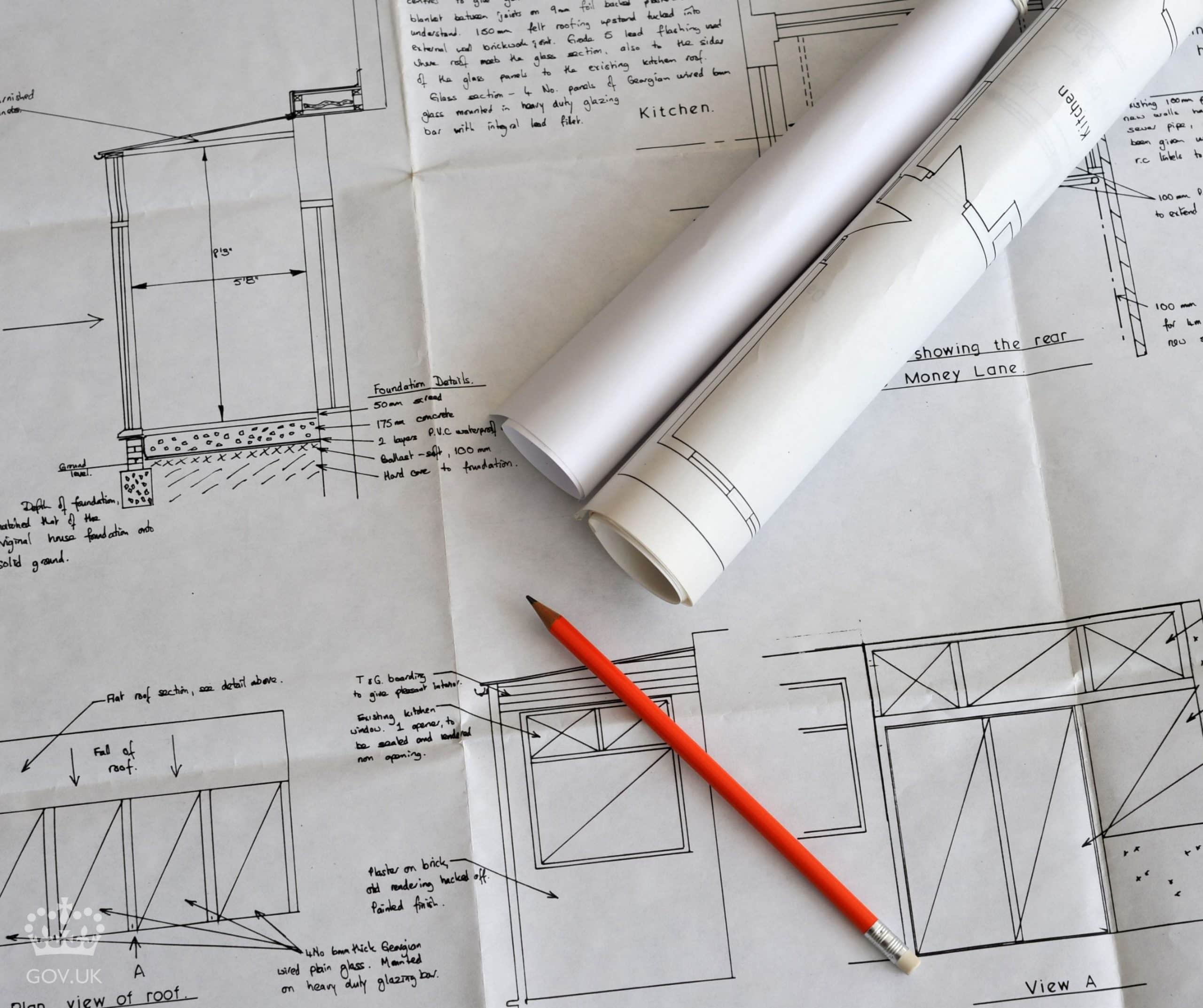
Before you start constructing your veranda in the UK, it’s essential to determine whether you need planning permission to comply with local building regulations. In this guide, we’ll answer common questions about planning permission requirements for glass verandas and glass rooms.
Do you need Planning Permission for a Veranda in the UK?
In many cases, veranda planning permission depends on the size, location, and design of the structure. While some verandas may fall under permitted development rights, others might require formal approval from local authorities.
Factors that affect Planning Permission for a Veranda
- Size and Dimensions: In the UK, if the structure exceeds 3m in depth for a semi-detached house or 4m for a detached house, it usually requires approval. These regulations ensure that extensions do not excessively impact neighbouring properties or alter the character of the area.
- Height Restrictions: A veranda higher than 2.5m within 2m of a boundary may require permission. A veranda higher than 2.5m within 2m of a boundary may require permission because it could impact neighbouring properties by obstructing light, reducing privacy, or altering drainage patterns. Additionally, local planning authorities may have height restrictions to maintain the aesthetic and structural harmony of residential areas.
- Proximity to Boundaries: If your veranda is too close to the property boundary, local authorities may impose restrictions due to concerns about encroachment, fire safety regulations, and potential disputes with neighbours. Additionally, verandas near boundaries might impact privacy, natural light, and ventilation for adjacent properties, prompting the need for planning approval.
- Listed Buildings & Conservation Areas: If your property is listed or in a conservation area, any external modification—including a glass veranda—will likely need approval. This is because listed buildings are protected due to their historical or architectural significance, and any alterations must maintain their character. Similarly, conservation areas are designated to preserve the aesthetic and heritage of specific locations, meaning even minor changes could require planning permission to ensure they align with the area’s historical integrity.
- Restriction on Use: The intended use of a veranda may impact whether planning permission is required. If the veranda is used as a permanent outdoor living or entertainment space that could generate noise, affect neighbours’ privacy, or increase foot traffic, local authorities may require an application to assess its impact on the surrounding area.
Can I build a Veranda without Planning Permission in the UK?
Yes, you can build a veranda without planning permission if it meets the criteria under permitted development rights. Here are some general rules:
- The veranda should not extend beyond half the width of the original house. This ensures that the structure remains a minor addition rather than a dominant feature of the home.
- It must not be taller than 4 meters. Keeping the height within this limit helps maintain uniformity in residential areas and prevents excessive overshadowing of neighbouring properties.
- It should not include a balcony or raised platform higher than 30cm. This restriction is in place to protect neighbours’ privacy, as elevated platforms can create overlooking issues.
- The total area covered by outbuildings and extensions (including a veranda) should not exceed 50% of the land surrounding the original house. This prevents excessive development that could reduce green space, affect drainage, and alter the character of the neighbourhood.
What are Permitted Development Rights?
Permitted development rights allow homeowners to make certain changes to their property without needing to apply for planning permission. These rights cover minor extensions, loft conversions, and outbuildings, provided they meet specific size and design criteria.
However, permitted development rights can be restricted in designated areas such as conservation zones or for listed buildings. Understanding these rights can help determine whether your veranda requires formal approval. You can learn more about permitted development rights through the Planning Portal.
How to apply for Veranda Planning Permission
If your veranda does not qualify under permitted development rights, you will need to apply for planning permission from your local council. Here’s how:
- Check Local Guidelines: Visit your local authority’s website for specific veranda planning rules.
- Prepare Your Application: Include detailed drawings, dimensions, and materials.
- Consult a Professional: An architect or planning consultant can help ensure compliance.
- Submit Your Application: Apply through the UK Planning Portal.
- Wait for Approval: The process typically takes 8-12 weeks, depending on the complexity.
Consequences of building a Veranda without Planning Permission
If you build a veranda without planning permission when it is required, you risk:
- Legal action: Your local authority may demand its removal.
- Difficulty selling your home: Buyers and surveyors may flag unauthorised structures.
- Fines or penalties: You could face fines if the structure violates regulations.
Conclusion
Before adding a veranda, glass veranda, or covered terrace to your home, always check local planning regulations to ensure compliance. While many homeowners can build a veranda without planning permission, certain conditions must be met. If in doubt, consult a professional to avoid costly mistakes and ensure your veranda enhances your home legally and aesthetically.
Contact Us
Related Blog Posts